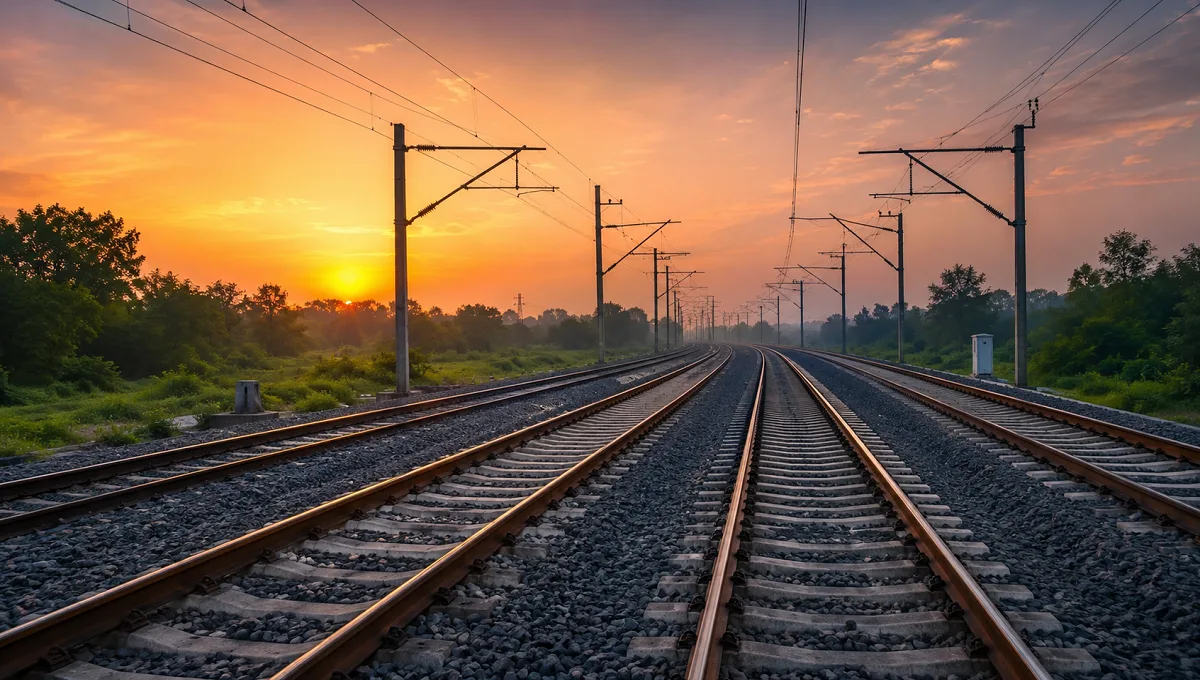
Kiul Jhajha Third Line Project Approved from Indian Railways at a cost of ₹962 crore to improve connectivity, freight movement, and rail capacity on the busy Howrah-Delhi corridor.
Kiul Jhajha Third Line Project Approved by Indian Railways at ₹962 Crore
Kiul Jhajha Third Line Project Approved : Indian Railways has approved a major railway infrastructure project in Bihar with the sanction of a third rail line between Kiul and Jhajha. The 54-kilometre project, estimated at ₹962 crore, is expected to strengthen rail operations on the busy Howrah–Delhi route and improve transportation efficiency in the region.
Strategic Importance of the Route
The Kiul–Jhajha section is considered strategically important because it connects several major routes in eastern India. With rising passenger demand and increasing freight traffic, railway authorities have been focusing on capacity expansion projects to modernise the network and reduce delays.
Expected Impact on Trade and Economy
Apart from improving railway operations, the project is also expected to benefit trade and industry in Bihar and nearby regions. Better freight connectivity can help businesses transport goods more efficiently, which may contribute to economic activity and regional development.
Railway Minister Highlights Benefits
Union Railway Minister Ashwini Vaishnaw said the project would play an important role in increasing line capacity on one of the country’s most crowded railway corridors. He added that the expansion would support faster movement of freight trains while improving flexibility in train scheduling.
Government Push for Railway Modernisation
The approval of the third line project reflects the government’s continued push towards strengthening railway infrastructure and enhancing connectivity across the country. Construction work is expected to begin after completion of detailed planning and related clearances.
Focus on Reducing Congestion
The new rail line will be developed under the High Traffic Density Network of Indian Railways, a network that handles a large volume of passenger and freight movement every day. Railway officials believe the additional line will help reduce congestion, improve train punctuality, and allow smoother operations for long-distance as well as goods trains.