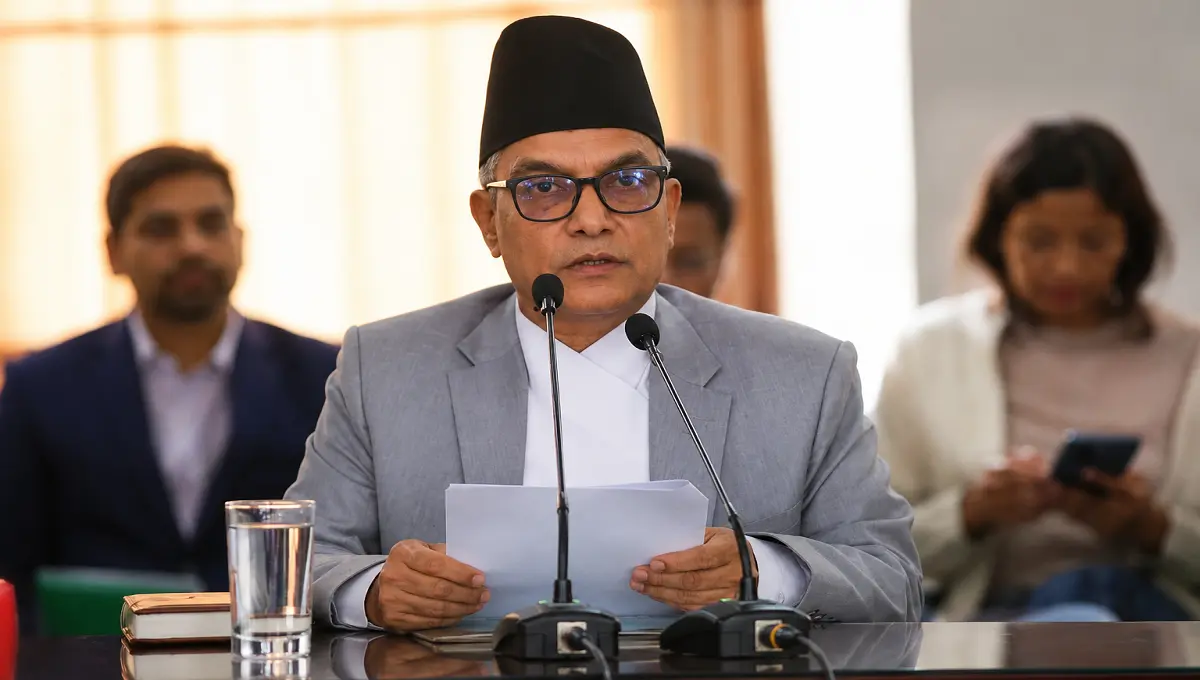
Nepal Chief Justice Manoj Kumar Sharma has been approved by the Parliamentary Hearing Committee despite being fourth in seniority, sparking debate in the judiciary.
Nepal Chief Justice Manoj Kumar Sharma Approved Despite Seniority Debate
Nepal Chief Justice Manoj Kumar Sharma: Nepal’s Parliamentary Hearing Committee has endorsed Supreme Court Justice Dr. Manoj Kumar Sharma for the post of Chief Justice, paving the way for his formal appointment as the head of the country’s judiciary.
Appointment Breaks Long-Standing Judicial Convention
The committee approved Sharma’s name unanimously after conducting a parliamentary hearing in which lawmakers questioned him on judicial reform, transparency, and the functioning of the courts. The hearing was held in line with parliamentary regulations governing appointments to constitutional positions.
Sharma’s elevation has attracted attention within Nepal’s legal community because he is not the senior-most justice in the Supreme Court. Traditionally, the judiciary has followed a long-standing practice of appointing the most senior judge as chief justice, a convention viewed as essential for maintaining institutional stability.
Senior Judges Overlooked in Chief Justice Selection
Despite being fourth in the order of seniority, Sharma was recommended for the top judicial role by the Constitutional Council and later cleared by the Parliamentary Hearing Committee. His appointment means that senior justices including Sapana Pradhan Malla, Kumar Regmi, and Hari Prasad Phuyal were bypassed for the position.
During the hearing process, Sharma responded to questions raised by lawmakers and also addressed complaints registered against him. Committee members reviewed his proposed roadmap for improving judicial administration and strengthening public trust in the justice system before giving their approval.
Legal Community Watches Impact of Decision
The decision is expected to trigger discussion among legal experts and political observers, particularly over whether the departure from the seniority convention could influence future appointments in Nepal’s judiciary.